
Finesse Your Finances for Abundant Growth Lunch and Learn

Money can feel extra loud at the end of the year. Holiday meals, gifts, travel, school breaks, family needs, tax documents, and New Year goals all seem to arrive at once. Even when life is full of good things, the financial pressure can make it hard to feel calm, prepared, and abundant.
That is why the Finesse Your Finances for Abundant Growth Lunch and Learn is landing at the perfect time.
Join us on Monday, November 30, 2026, from 11:30 a.m. to 12:30 p.m. for a focused, encouraging workshop designed to help you pause, assess your financial health, and make thoughtful choices before the holiday season and the New Year begin in full force.
This Lunch and Learn is for women who are ready to look at their money with more clarity, more confidence, and more intention. Whether the goal is to pay down debt, prepare for a stronger year, create better spending rhythms, or simply stop avoiding the numbers, this session offers a practical place to begin.

Why this is the right moment to review your finances
The weeks between late November and early January can shape the tone of the year ahead. Many people spend more, commit to more, and postpone financial decisions until “after the holidays.” By then, the bills may already be higher, the stress may already be present, and the New Year may start with pressure instead of peace.
A one-hour financial check-in can make a real difference because it creates space to ask honest questions before the rush takes over.
Questions like:
What is my current financial picture?
What expenses are coming before the end of the year?
Where am I spending from habit instead of intention?
What do I want my money to support next year?
What needs to change so I can feel more prepared?
These questions do not require shame. They require attention.
A healthy money life starts with seeing the truth clearly. That includes the wins, the gaps, the patterns, and the options. When you know where you stand, you can make choices that support growth rather than react to every new bill, invitation, or sale.
This workshop gives you a set time to do that work with guidance, structure, and a supportive tone.
What “finessing” your finances really means
To finesse your finances does not mean pretending everything is perfect. It means handling money with skill, care, and purpose.
It means learning how to make financial decisions that fit real life. Not a fantasy version of life where no one gets sick, cars never need repairs, children never need last-minute items, and holiday invitations never pop up. Real financial wellness has to work inside actual schedules, actual responsibilities, and actual income.
Finessing your finances may include:
Naming your current expenses without judgment
Creating space for giving and celebration without overspending
Noticing where emotional spending shows up
Setting limits that feel supportive rather than harsh
Preparing for the next season before it arrives
Building confidence around financial decisions
Creating a clear plan for abundant growth
Abundance also deserves a grounded definition. It is more than having more money. Abundance can look like breathing room, fewer surprises, better choices, stronger boundaries, and the ability to say yes from a place of peace.
Sometimes the most abundant decision is spending less. Sometimes it is investing in help, education, or rest. Sometimes it is telling the truth about what is and is not working. This Lunch and Learn will help participants think through those choices with more intention.
What to expect during the Lunch and Learn
This workshop is designed to be practical, warm, and easy to follow. It is not about complicated finance terms or one-size-fits-all advice. It is about giving participants a clear hour to focus on financial health before holiday spending and New Year planning begin to compete for attention.
During the session, participants can expect to reflect on key areas of their money life and begin shaping a more grounded financial plan.
A guided financial wellness check
The first step is awareness. Many people have a general feeling about their finances, but not a clear snapshot. A guided financial wellness check helps turn vague stress into specific information.
That may include looking at income, recurring expenses, seasonal spending, debt obligations, savings habits, and financial goals. The point is not to judge.
The point is to get honest enough to make better decisions.
A clear snapshot helps answer simple but powerful questions:
Do I know what is coming in and going out each month?
Do I have a plan for holiday costs?
Am I carrying financial stress that needs attention?
Are my goals matched by my habits?
What is one change I can make right away?
Clarity often brings relief. Even when the numbers are not perfect, knowing them can feel better than avoiding them.
Seasonal spending strategies
The holidays can bring joy, but they can also bring financial pressure. Gifts, food, travel, décor, donations, photos, parties, and family traditions can add up quickly.
This session will help participants think about seasonal spending before it becomes reactive. A thoughtful holiday money plan might include a gift list, a giving limit, a meal budget, a travel estimate, and a plan for unexpected needs.
The goal is not to remove joy from the season. The goal is to protect joy from regret.
One simple strategy is to decide in advance what the holidays should feel like. Peaceful? Connected? Generous? Simple? Once that is clear, it becomes easier to spend on what supports that feeling and say no to what does not.
New Year money goals that make sense
Many New Year financial goals fail because they are too vague. “Save more money” is a wish. “Save $50 from each paycheck into a separate emergency fund” is a plan.
During the Lunch and Learn, participants will be encouraged to think about goals in a more specific way. A stronger goal includes an amount, a timeline, a reason, and a first step.
For example:
Vague goal | Clearer goal |
Spend less | Set a weekly spending limit for nonessential purchases |
Save more | Move a set amount into savings every payday |
Pay down debt | Choose one debt to focus on first and track progress monthly |
Get organized | Pick one weekly money check-in time |
Build wealth | Learn about one savings or investment option and ask questions |
A good goal should be clear enough to act on and flexible enough to fit real life. Progress grows from repeatable steps, not from pressure.
Why the bonus coaching session matters
A bonus session offers a more personal opportunity to talk through goals, questions, and next steps. A group workshop can create clarity, but a private coaching session can help apply that clarity to one person’s real situation.
A 30-minute session may help with areas such as:
Sorting through a specific financial concern
Naming a short-term money goal
Creating a simple holiday spending plan
Identifying habits that create stress
Choosing one practical next step for the New Year
Building confidence around a decision
This added session is especially useful for someone who knows she needs support but feels unsure where to begin. Sometimes one focused conversation can bring order to a situation that has felt heavy for months.
Because the bonus is only for the first 5 registrants, early registration is the best way to claim it while it is available.
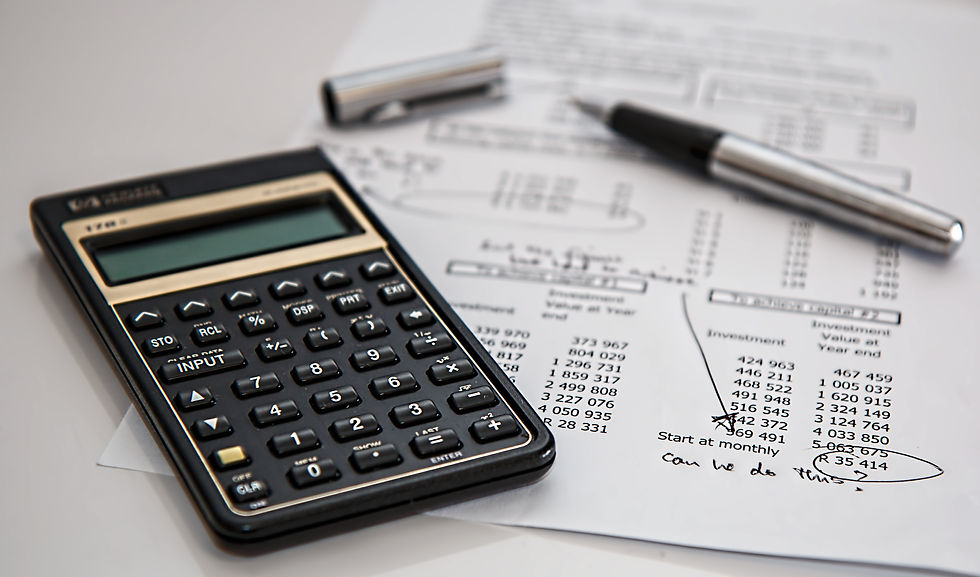
The money areas worth reviewing before the New Year
A year-end financial review does not need to be complicated. The most useful version focuses on the areas that affect daily life, seasonal choices, and future growth.
Income and cash flow
Start with what is coming in. This includes wages, business income, side income, support payments, or any other regular source.
Then look at when money arrives and how quickly it leaves.
Cash flow matters because timing can create stress even when the total income seems workable. If most bills are due before income arrives, the plan needs adjustment.
A simple cash flow review can show whether due dates need to be moved, spending needs to be spaced out, or savings need to be separated before money gets absorbed into everyday expenses.
Holiday obligations
Holiday costs often hide in plain sight. The gift budget is only one piece.
Common seasonal expenses may include:
Groceries for gatherings
Travel and gas
Shipping costs
School or community events
Teacher or caregiver gifts
Hosting supplies
Beauty appointments
Clothing for events
Charitable giving
Extra childcare
Writing these down early helps prevent surprise spending. It also creates a chance to choose what matters most.
Debt and repayment plans
Debt can feel discouraging, especially around the holidays. Still, avoiding it rarely helps. A simple review of balances, minimum payments, due dates, and interest rates can make the next step clearer.
The goal during a busy season may not be to fix everything at once. It may be to avoid adding new debt, make payments on time, or choose one balance to focus on after the holidays.
Small, steady progress counts.
Savings and emergency funds
Savings can bring peace, even when the amount starts small. A year-end review is a good time to ask whether savings are connected to real needs.
Different savings goals may include:
Emergency expenses
Car maintenance
Medical costs
Travel
Taxes
Holiday spending
Education
Home needs
Business growth
Separating savings by purpose can help prevent confusion.
It also makes progress easier to see.
Mindset and money habits
Financial health is not only math. It also includes patterns, emotions, family expectations, and beliefs about what is possible.
Some people overspend when they feel stressed. Some avoid checking accounts when they feel ashamed. Some say yes to every request because they do not want to disappoint others. Some earn more but still feel unsafe because they do not have a plan.
A healthy money mindset does not ignore numbers. It helps a person face the numbers with courage and care.
This is where the abundance piece becomes meaningful. Abundant growth includes the inner work of believing that better choices are possible, then building the habits to support those choices.
Who should attend this workshop
This Lunch and Learn is a strong fit for women who want to end the year with more clarity and begin the next one with stronger financial intention.
It may be especially helpful for anyone who:
Feels financially stretched by the holiday season
Wants to create a better spending plan
Has income but still feels behind
Wants to save more consistently
Feels ready to review goals before the New Year
Needs a judgment-free space to think about money
Wants support with abundance-focused financial habits
No one needs to have everything figured out before attending.
The workshop exists because most people do not.
The best reason to attend is simple: a focused hour now can prevent a lot of stress later.
How to prepare before the session
Participants will get the most value from the Lunch and Learn by arriving with a few basics in mind. There is no need to bring perfect records, but a little preparation can make the hour more useful.
Helpful items to review beforehand include:
Current monthly income
Main monthly bills
Debt balances and payment due dates
Savings balances
Expected holiday expenses
One or two financial goals for 2027
Any money question that keeps coming up
It may also help to bring a notebook, a pen, and an open mind. Financial growth often begins with one honest page of notes.
This workshop is for educational and informational purposes only. It does not replace personalized financial, legal, tax, or investment advice from a qualified professional.
Reserve your seat before spaces fill
The Finesse Your Finances for Abundant Growth Lunch and Learn takes place on Monday, November 30, 2026, from 11:30 a.m. to 12:30 p.m. (Eastern Standard Time).
As the holidays and New Year approach, this is a meaningful time to pause and assess your financial health. A clear plan can help you spend with more intention, set better goals, and move into the next season with more confidence.
If money has felt stressful, unclear, or overdue for attention, this is a supportive place to begin. Bring your lunch, bring your questions, and bring your willingness to look forward with honesty and hope.
A more abundant year does not start with perfection. It starts with a decision to pay attention, make a plan, and take the next wise step.
Register Today:https://www.ih4al.com/event-details/lunch-learn-finesse-your-finances-for-abundant-growth
Download 4 the Workshop Free Strategic Plan For Abundant Living Guide:https://www.ih4al.com/product-page/the-strategic-plan-for-abundant-living


